
Mid-century wood sideboard furniture units represent a fascinating intersection of design and functionality. These pieces, often characterized by clean lines, minimalist aesthetics, and the use of high-quality hardwoods, embody the spirit of mid-20th-century modernism. Their enduring appeal stems from a timeless elegance that seamlessly blends with various interior styles, making them coveted additions to homes and design enthusiasts’ collections.
From their practical storage solutions to their ability to elevate a room’s aesthetic, these sideboards continue to captivate and inspire.
The craftsmanship involved in creating these pieces is often noteworthy, with attention to detail evident in the joinery, finishes, and overall construction. Many examples incorporate innovative design elements, such as tapered legs, integrated hardware, and unique shelving configurations. Understanding the history and design principles behind these units provides a deeper appreciation for their enduring value and cultural significance.
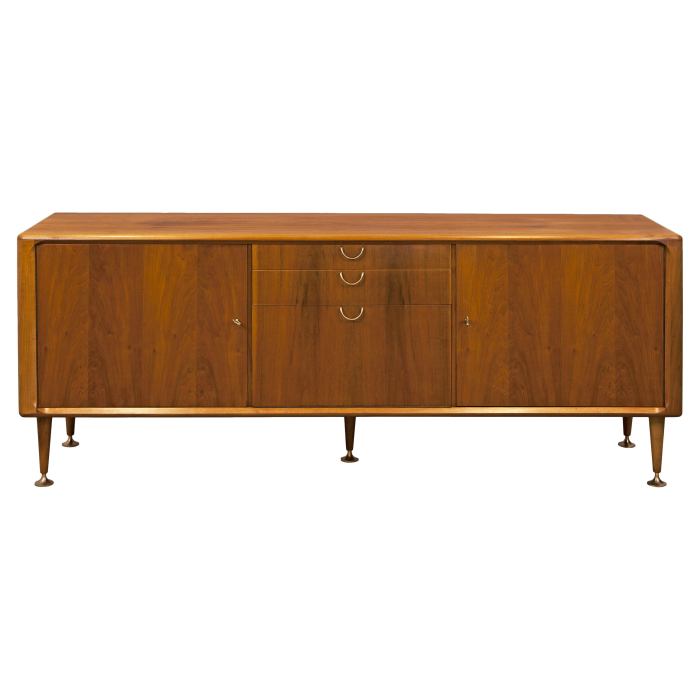
Mid-century modern design, with its clean lines, organic forms, and focus on functionality, continues to captivate homeowners and design enthusiasts alike. A cornerstone of this aesthetic is the mid-century wood sideboard, a versatile and stylish piece of furniture that seamlessly blends form and function. This comprehensive guide delves into the history, design elements, materials, and care of these iconic pieces, helping you appreciate and perhaps even acquire your own mid-century modern treasure.
The History and Evolution of the Mid-Century Modern Sideboard
The heyday of the mid-century modern sideboard coincided with the post-World War II era, spanning roughly from the late 1940s to the mid-1960s. This period saw a significant shift in design philosophy, moving away from the ornate styles of previous decades towards a more minimalist and functional approach. Designers embraced new materials and manufacturing techniques, leading to the creation of sleek, streamlined furniture pieces characterized by simple geometric shapes and a focus on craftsmanship.
Early mid-century sideboards often featured simple, straight lines and minimal ornamentation. As the era progressed, designers experimented with more organic forms, incorporating curved edges and tapered legs. The use of new materials, such as plywood and laminate, allowed for greater flexibility in design and mass production, making these pieces more accessible to a wider range of consumers.
Key Designers and Manufacturers
Several iconic designers and manufacturers played a pivotal role in shaping the mid-century modern sideboard’s legacy. Names like Paul McCobb, Eero Saarinen, and Charles and Ray Eames are synonymous with this era’s design aesthetic. Manufacturers such as Herman Miller, Knoll, and Lane contributed significantly to the production and dissemination of these pieces. Their innovative designs and high-quality craftsmanship ensured these sideboards’ enduring appeal.
Design Elements and Characteristics of Mid-Century Sideboards
Mid-century modern sideboards are easily recognizable by their distinct design features. These characteristics contribute to their timeless appeal and enduring popularity.
Materials:
- Wood: Teak, walnut, mahogany, and oak were popular choices, prized for their durability, rich tones, and beautiful grain patterns. The choice of wood often dictated the overall aesthetic of the piece.
- Laminate: Formica and other laminates provided a more affordable and durable alternative to solid wood, allowing for a wider range of colors and patterns.
- Metal: Metal accents, such as legs, handles, and hardware, were often incorporated to add a touch of industrial chic.
Features:
- Tapered Legs: A hallmark of mid-century modern design, tapered legs added a sense of lightness and elegance.
- Clean Lines and Simple Shapes: Geometric forms and minimalist aesthetics were key elements.
- Built-in Storage: Sideboards typically featured ample storage space, with drawers and cabinets for storing dishes, linens, or other items.
- Hardware: Hardware was often understated and functional, with simple knobs or pulls.
Identifying Authentic Mid-Century Modern Sideboards
With the resurgence in popularity of mid-century modern design, there’s an increased demand for authentic pieces. However, it’s crucial to be able to distinguish genuine vintage pieces from reproductions. Here are some tips to help you identify authentic mid-century modern sideboards:
- Examine the Construction: Look for high-quality joinery, dovetail joints, and solid wood construction. Cheap reproductions often use inferior materials and construction techniques.
- Check the Hardware: Authentic pieces often feature original hardware that’s consistent with the era’s design aesthetic.
- Look for Maker’s Marks: Many manufacturers included maker’s marks or labels on their furniture. These can help authenticate the piece.
- Research the Design: Familiarize yourself with the work of prominent mid-century modern designers and manufacturers. This will help you identify authentic pieces and spot reproductions.
Caring for Your Mid-Century Modern Sideboard
Proper care is essential to preserve the beauty and longevity of your mid-century modern sideboard. Here are some tips for maintaining your investment:
- Dust Regularly: Use a soft cloth to dust the surface regularly. Avoid harsh chemicals or abrasive cleaners.
- Protect from Sunlight: Direct sunlight can fade the finish over time. Keep your sideboard out of direct sunlight whenever possible.
- Use Coasters and Placemats: Protect the surface from scratches and water damage by using coasters and placemats.
- Repair Minor Damage Promptly: Address minor scratches or dents promptly to prevent further damage.
Mid-Century Modern Sideboard Styles and Variations
The mid-century modern aesthetic encompassed a wide range of styles and variations. While clean lines and functionality were common themes, designers explored different approaches, resulting in a diverse collection of sideboards.
Danish Modern Sideboards:
Often featuring organic curves, rich wood tones, and functional designs.
American Modern Sideboards:
Characterized by clean lines, geometric shapes, and the use of innovative materials like plywood and laminate.
Atomic Age Sideboards:, Mid-century wood sideboard furniture unit
Embracing bold colors, playful designs, and futuristic elements.
Frequently Asked Questions (FAQ)
- Q: How much does a mid-century modern sideboard cost? A: The price varies greatly depending on the maker, condition, and rarity of the piece. Prices can range from a few hundred dollars to several thousand dollars for highly sought-after pieces.
- Q: Where can I find a mid-century modern sideboard? A: You can find mid-century modern sideboards at antique shops, flea markets, online marketplaces (like eBay and Etsy), and specialized vintage furniture stores.
- Q: How can I tell if a sideboard is a genuine mid-century modern piece? A: Look for hallmarks like quality construction, original hardware, maker’s marks, and design elements characteristic of the era (see section above).
- Q: How do I clean a mid-century modern sideboard? A: Use a soft cloth and mild cleaner to dust and clean the surface. Avoid harsh chemicals or abrasive cleaners (see section above).
- Q: Can I refinish a mid-century modern sideboard? A: Yes, but it’s important to choose a finish that’s compatible with the original material and finish. Consider consulting a professional if you’re unsure.
Conclusion
The mid-century modern wood sideboard stands as a testament to the era’s emphasis on functionality, craftsmanship, and timeless design. Whether you’re a seasoned collector or simply appreciate well-designed furniture, these iconic pieces offer a blend of style, storage, and enduring appeal. By understanding their history, design elements, and care requirements, you can appreciate and preserve these valuable pieces for generations to come.
Call to Action: Mid-century Wood Sideboard Furniture Unit
Start your search for your perfect mid-century modern sideboard today! Explore online marketplaces, visit local antique shops, and discover the unique charm and lasting quality of these iconic pieces of furniture.
Helpful Answers
What are the common wood types used in mid-century sideboards?
Teak, walnut, oak, and mahogany were popular choices for their durability and aesthetic qualities.
How can I identify an authentic mid-century sideboard?
Look for characteristic design elements like tapered legs, minimalist hardware, and the use of solid wood. Researching makers and their stylistic hallmarks can also be helpful.
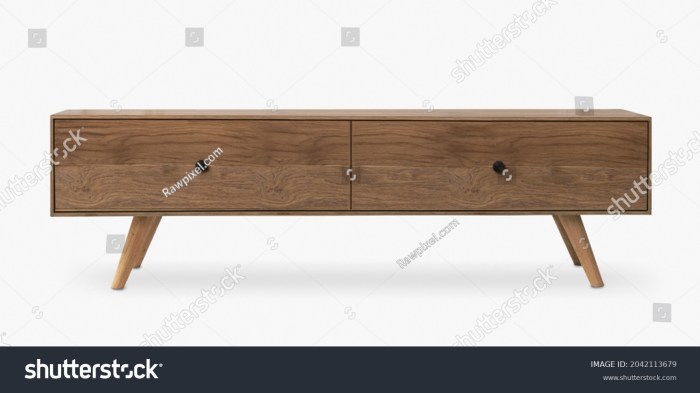
How do I care for a mid-century wood sideboard?
Regular dusting and occasional polishing with a suitable wood cleaner will help maintain its finish. Avoid placing hot items directly on the surface.